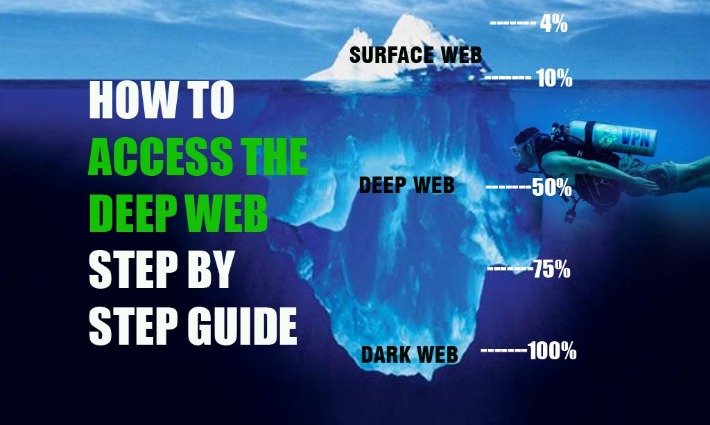
The invisible web is made up of data and information that is not indexed and cannot be searched for by using traditional search engines. Content includes non-indexed websites, apps, and resources, which can include protected information such as, online banking, specialized databases, non-linked and password-protected websites, and more. It includes media and archives which cannot be crawled and indexed with current search engine technology.
Comprehensive Guide To WebAsha’s Diploma In Cybersecurity And Ethical
That means your ISP only sees encrypted VPN traffic and can’t tell you’re using Tor. It also hides your real IP address from Tor’s entry node, which is the first hop in the Tor circuit. This hides your Tor usage from local networks, masks direct Tor connections, protects against network-level surveillance, and reduces the risk of being flagged for accessing privacy tools. You’ve probably heard that Tor makes you anonymous on the dark web — but that’s only half true. If you don’t use the right tools or settings, your ISP can still flag your connection. And once you’re inside, one wrong click on a fake .onion site can expose your identity or infect your device with malware.
The Ultimate 2025 Guide To The Tor Browser
- Other examples of compatible web browsers include the Onion browser, Firefox and Chrome, but the latter two require you to install a separate plugin.
- The dark web addresses are a randomly-scrambled sequence that generates URLs, mostly hard to remember ones.
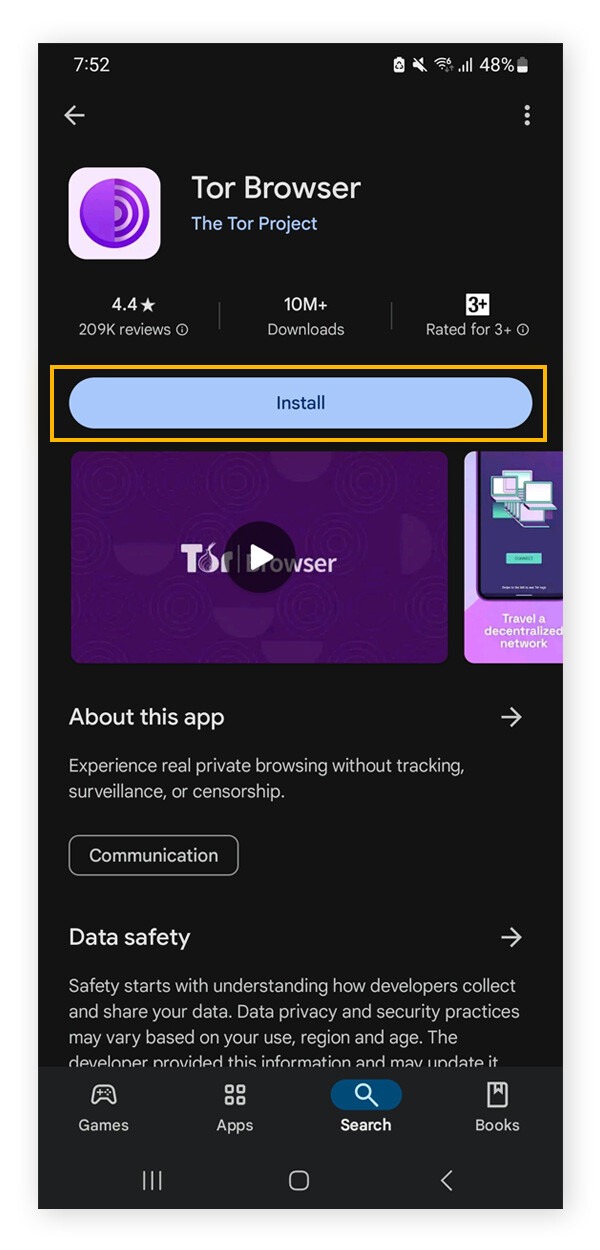
- A Tor Browser from the Tor Project is available for Android, and The Onion Browser from developer and journalist Mike Tigas is available for iOS mobile devices, which the Tor Project links to.
- Ensure you download the Tor Browser from the official website to avoid downloading malware, spyware, or other viruses to your device.
Crawling is the process by which search engines scour the internet for new content and websites. If you want to access the dark web, your first step toward a more private experience should be to secure your internet connection and data with a reliable VPN. Once you have the Tor or Onion Browser downloaded and are connected to the Tor network, you can browse the dark web by visiting .onion links — dark web sites that are accessible only via the Tor network. To do so, enter a .onion URL and you’ll be taken to the dark web page being served at that address.
Is It Illegal To Enter The Dark Web?

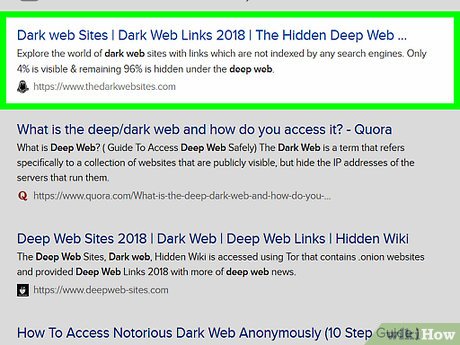
Fortunately, deep web directories clearly describe the sites they link to. Although these probably won’t harm your computer, pay attention to their URLs since some of them engage in illegal activities – from selling fake IDs to hacking tools. Tor is the most popular way to access the dark web, but it’s not the only option. Other privacy networks like I2P, Lokinet, and Freenet offer different layers of security and anonymity.
Safely Browse And Verify Onion Sites
Although websites can’t identify you and ISPs can’t decrypt your internet traffic, they can see that Tor is being used. Tor is a network of volunteer relays through which the user’s internet connection is routed. The connection is encrypted, and all the traffic bounces between relays worldwide, making the user anonymous. They can monitor exit nodes but cannot easily trace traffic back to individual users unless mistakes are made. Yes, but for .onion sites, you’ll need search engines designed for the dark web like DuckDuckGo’s .onion version. Bear in mind too, that your internet provider will be able to see you connecting to Tor nodes, even if it doesn’t know exactly what you’re doing.
Books On Procrastination To Help You Start Taking Action
It also provides ‘some’ privacy by mixing your IP address up a bunch so people who track your computer don’t know where you actually live. If you don’t know what you’re doing – and this post is made for people that don’t – then I highly recommend you don’t use a VPN with TOR. Yes, you might have seen posts that talk about TOR over VPN or VPN over TOR or TOR over TOR – not for you. Using Tor alongside a VPN, avoiding sharing personal information, and sticking to recognized sites are some of the best practices.
- Naval Research Laboratory mathematicians and computer scientists in the mid-1990s.
- Entering without caution can lead to identity theft, scams, or legal action.
- Otherwise, there’s a good chance of falling victim to a phishing scam like this fake Bitcoin mixer.
- However, there are plenty of legal and legitimate online activities that require privacy and anonymity.
- Again, we can’t emphasize enough that security and anonymity are paramount to those on dark websites.
Best Practices For Safe Tor Usage:
The folder will be named “tor-browser_en-US” if you are running the English Tor Browser. Open the Downloads folder on your Mac, and double-click the file you just downloaded. This will install the Tor Browser into your Applications folder. There are four nodes between your computer and the website you want to connect to. All Tor Browser data is encrypted and relayed three times over the Onion Router network, which is composed of thousands of volunteer-run servers, which are known as Tor relays.
Each tool works differently, and some are better suited for specific use cases than others. Traditional proxies are like passing the letter through one person, but onion routing adds layers of encryption at different stops. By using Tor and a reputable VPN, along with being careful and having the right tools, you can browse the dark web legally and safely. Responsible use protects your privacy while staying within the law, so it’s a safe place to browse for real privacy reasons. Well, I’ve gone to the dark web a lot of times and visited almost all the onion links that are available in the search engines (or equivalent things) the dweb has. This means that the identities and locations of darknet users are hidden from public view and remain anonymous, even when interacting with other users or engaging in any online activity.
Access The Dark Web Safely
Cloudwards.net may earn a small commission from some purchases made through our site. Learn more about our editorial integrity and research process. Yes, many organizations monitor the dark web for cybersecurity intelligence—always in line with legal compliance. As noted by Andy Greenberg at Wired, while the deep web makes up approximately 90% of the internet, the dark web makes up only around 0.1% and is designed to provide anonymity for users and site owners. There’s a significant risk to dark web users of being exposed to malware (malicious software) infections. There are several programs that hackers frequently use on the dark web.
While this is good advice for any type of web browsing, be particularly careful not to offer up any personal details, such as your credit card info or email address. Use cryptocurrency to buy anything, and use a disposable email address for any type of communication on the dark web. Opennet connections are easier to use, but darknet connections provide more security against attackers on the network.
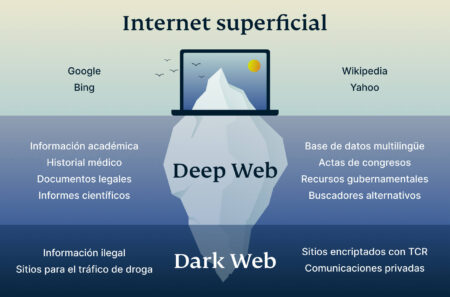
As such, you should exercise caution when accessing any unofficial dark websites. Yes, you definitely need a VPN if you want to access the dark web on your phone. This is because the dark web is full of potentially dangerous content, and a VPN will help keep your identity and personal information safe. Without a VPN, you could be putting yourself at risk of being hacked or scammed. The dark web contains much of the internet’s illicit content, ranging from drug trafficking to child pornography sites.
I’ll go into how the Tor system works, explain the Onion Network, what a relay is, and how to make the Tor Browser work best to protect your online privacy and anonymity. You could certainly go much deeper into the topic, but we hope the information provided here has given you a basic understanding of what the deep web/dark web are, how they function and why they exist. More importantly, you should now know how to access these hidden sectors of the internet at your leisure. That means that if your incoming traffic is routed through a node operated by cybercriminals, they can inject malware into the code of the response, without you ever knowing that it’s happened. Serving is the final step of the process for search engines like Google. This is when it takes a search query from the user, finds the most relevant results in the index, and then serves the resulting web pages back to the user.