The information available on message boards and forums suggests a paywall where users can see truly hardcore and shocking content. The shadow web is also believed to be the place where significant criminal networks and activities exist. Many dismiss it as just a rumor, although there is good reason to think it’s real. However, any advertisement on the surface or dark web claiming that it can take you into the shadow web for a fee is a scam. Even if the shadow web already exists, or someone invents it in the future, it is not something you ever want to pay for or see. Any content in this web area will be so horrible that many of those who witness it might be psychologically scarred for life.
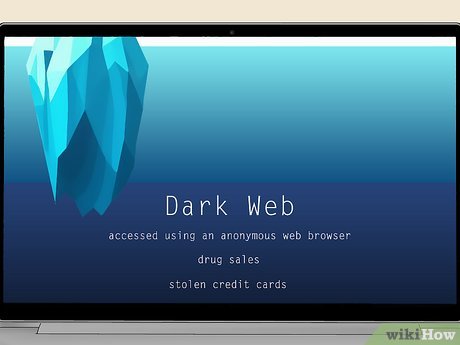
The dark web is a layer of the internet where users can fully mask their IP addresses in order to anonymously access or share certain content. The anonymity provided by the dark web does indeed make it ideal for people looking to engage in illicit activity. But the dark web isn’t a violent or criminal place in and of itself — it just depends on how you use it.
It is absolutely critical to know if your information is on the dark web in order to properly protect yourself from threats. Dark web monitoring is when a tool is used to scan the dark web for your personal information such as your email address or credentials. This can be done manually with a free service that doesn’t notify you, or it can be done automatically with a tool that detects and notifies you when your credentials are being sold on the dark web.
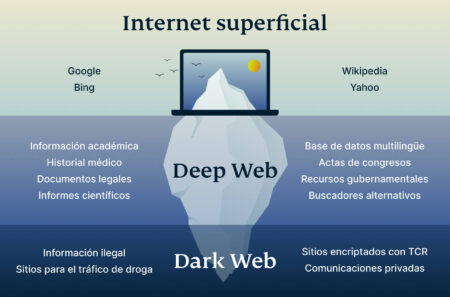
Non-indexed Content
The fact is none of them are outside the eyes of the law and one should use them wisely at their own risk. The dark web is a part of the deep web, but only a very tiny part of it. The people running the site don’t want anyone to know who they are and they certainly don’t want just anyone visiting their sites. The internet is the network infrastructure we use to communicate globally. That includes the network card in your computer, your router, the fiber line from your house, undersea cables, and all the other bits and bobs that shoot electrical (or optical) impulses all over the planet.
Risks Of Accessing The Deep Web Vs The Dark Web

The only users who have a legitimate reason to access such content are law enforcement agencies looking to identify, arrest and prosecute the criminals using it. On the other hand, the “Dark Web” is a small, intentionally hidden part of the Deep Web. It requires specific software, configurations, or authorization to access. Unlike the rest of the Deep Web, the Dark Web often features illegal or contentious content, making it a focus of interest and concern among regulators and law enforcement. The dark web is home to the internet’s hidden sites, services, and products — some innocent, others downright dangerous.
Enable MFA On Your Accounts
Understanding these differences, and implementing monitoring across both, is essential to building a Threat Exposure Management (TEM) program. That includes not only obscure forums and leak sites, but also widely used developer platforms like GitHub, which have increasingly become a source of risk for modern organizations. The government and private companies utilize the deep web to store private information. This includes medical, legal records, private bank data, and so on.
The Risks Of Accessing The Deep Web
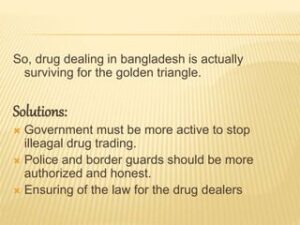
- While there are legitimate uses, much of the content hosted there involves illegal activity, including drug trafficking, illicit imagery, and the sale of stolen data.
- While the content on the dark web has the potential to be more dangerous, this content is usually walled off from regular users.
- According to Britannica, the dark web makes up only 0.01% of the deep web.
- Simply put, search engines use software (called crawlers or web spiders) that visit all sites and send them for indexing.
- Security teams often focus on dark web monitoring while overlooking equally critical deep web sources like GitHub or Telegram.
- Anyone can access this material without needing a different web browser such as Tor.
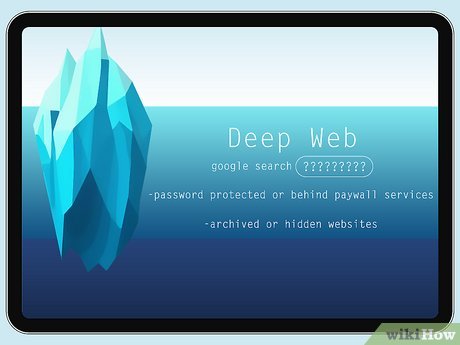
This means there is no easy, direct way for the general public to search this vast amount of unindexed content. In some cases, websites use various methods to block spiders and prevent indexing. These methods include using CAPTCHAs, multiple IP addresses for the same content, non-HTML content or data that spiders cannot pick up, password protection, and unlinked content. It also includes paywalled services such as video on demand and some online magazines and newspapers. From a cyber-security perspective, it can be if you don’t know how to protect yourself. Non-technical people who are interested in satisfying their curiosity can quickly get into trouble.
Deep Web Vs Dark Web: 7 Key Differences Explained
The deep web is essentially the unindexed portion of the web that search engines cannot access. Since you use regular web browsers and search engines, the search experience is seamless. Valentina Bravo is a managing editor at Cloudwards with a rich background in technology topics, particularly productivity tools and online security. She holds a Bachelor’s degree in Liberal Arts and a triple Master’s degree in Literary and Cultural Studies.
Is The Deep Web Illegal?
KnowBe4’s Email Exposure Check Pro (EEC) identifies the at-risk users in your organization by crawling business social media information and now thousands of breach databases. On the other hand, the dark web is a dark reflection of the regular World Wide Web. It has its own deep web, as dark web websites come with user accounts and other private areas. Tor can be used to visit everyday internet websites, but it also has numerous hidden websites and services which can’t be accessed on the regular internet. Tor powers them using its protocol known as Tor Hidden Service Protocol.
The deep web hosts a variety of content necessary for everyday activities that require privacy and security, such as email accounts, subscription services, paywalled content, and private business databases. Most of the content is legal and designed to protect users’ sensitive information by keeping it secure behind databases and password-protected sites. On the other hand, accessing the dark web requires special software, most commonly Tor, which masks your identity and provides access to websites with .onion extensions. Surface web search engines do not index these sites, so you need the right tools to navigate safely and anonymously. On the other hand, the dark web takes privacy to a different level, allowing users to browse and communicate completely anonymously.
Deep, Dark, And Other Layers

Organizations should establish clear policies governing the acceptable use of anonymizing technologies by employees. The Deep Web’s design prioritizes privacy, inherently limiting accessibility. Content remains invisible to search engines, requiring users to possess specific credentials or URLs. The Dark Web is a concealed segment of the internet, accessible only through anonymizing software like Tor Browser, offering high anonymity for users like whistleblowers or, unfortunately, cybercriminals. Cyber threat intelligence (CTI) helps organizations predict, understand, and defend against cyber threats, enabling proactive protection and reducing the impact of attacks.
How To Keep Your Information Safe On The Deep Web And Dark Web
The concept of the internet as a network that can host many different types of network applications is important to grasp if you want to understand the difference between deep, dark, and surface webs. The “Deep Web” and “Dark Web” both sound intimidating, but that doesn’t mean they’re the same thing. While they’re related, knowing the difference can keep you safe from dangerous places on the internet and make you a hit at parties.
Helped by the launch of Bitcoin in 2009, the dark web quickly became a platform for criminals to source and deliver illegal items. The dark web hosts all kinds of illegal activities, many of which are the buying and selling of firearms, drugs, counterfeit money, fake passports, and stolen accounts. The concept known today as the Dark Web set its foundation in the early 2000s. In March of 2000, Freenet was released to allow a censorship-resistant way to use the Web.
The Deep Web is the realm housing an extensive collection of information that the average internet user cannot access using standard search engines. On the one hand, it is sometimes confused with the Dark Web, yet it is far less infamous. The majority of the Deep Web is benign and even beneficial, serving crucial roles in various sectors. Greenberg notes that while the deep web is vast and accounts for 90-something percent of the Internet, the dark web likely only accounts for about .01 percent. The dark web, sometimes referred to as Darknet, is accessed by Tor (The Onion Router) or I2P (Invisible Internet Project), which use masked IP addresses to maintain anonymity for users and site owners.
The World Wide Web is a service that runs on internet infrastructure. Specifically, it’s the network of websites hosted on web servers, connected to the internet. The internet plays host to many other services, such as streaming video, FTP (file transfer protocol), email, etc. For comprehensive protection against scammers, viruses, and ransomware across every layer of the internet, get Norton 360 Deluxe. Despite its reputation, many people use the dark web for legitimate purposes, such as secure communication for journalists, activists, and those seeking uncensored information. Accessing the deep web is simple, and you likely use it daily when logging into private accounts like Gmail, your bank account, or even streaming services like Netflix or Disney+.