The process of testing methamphetamine is different than testing opioids and uses more water. Overdose deaths involving fentanyl have quadrupled in recent years. Because of the so-called “War on Drugs” and criminalization of people who use drugs, people often are unaware of the exact composition of the substances they’re using. This makes evidence-based harm reduction strategies such as fentanyl test strips, safety planning, and access to safe supply more vital than ever.
Street Names For Fentanyl
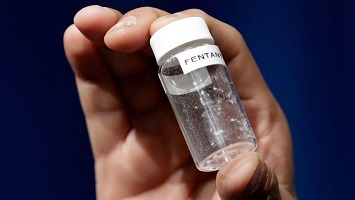
Fentanyl’s strength increases this risk of overdose substantially. Synthetic opioids sold illicitly can be mixed with heroin or cocaine, which amplifies its potency and potential danger. This is particularly dangerous if an individual who uses illegal substances like heroin or intentionally misuses prescription drugs is unaware that fentanyl could be in it. Fentanyl is a powerful opioid pain medication as well as a common contaminant found in illicit drugs. The antidote naloxone (Narcan) can reverse the effects of a fentanyl overdose if given in time.
If symptoms of an overdose occur, a friend or family member should give the first dose of naloxone, call 911 immediately, and stay with you and watch you closely until emergency medical help arrives. Your symptoms may return within a few minutes after you receive naloxone. If your symptoms return, the person should give you another dose of naloxone. Additional doses may be given every 2 to 3 minutes, if symptoms return before medical help arrives. Prescription fentanyl is FDA -approved to treat severe pain related to surgery or complex pain conditions.
Why Do Drug Dealers Use Fentanyl? Aren’t They Worried About Killing Their Customers?

Because drug overdose deaths often require lengthy investigations, data are updated as new information is received. Opioids are pain killers that people sometimes use recreationally for their euphoria and relaxation effects. Fentanyl has medical uses, primarily to control severe pain after surgery and in advanced-stage cancer treatment. One-hundred times more powerful than morphine and 50% more powerful than heroin, fentanyl can be injected, snorted or sniffed, smoked, taken as a pill or placed on paper. Illicitly produced fentanyl is sold alone or combined with heroin and other substances. Fentanyl is not only much stronger than other opioids, but it’s often added to illicit drugs without people knowing.
- You may also feel dizzy, drowsy, have vision changes, or have unpleasant side effects such as dry mouth, stomach pain, or anxiety.
- It is commonly mixed with drugs like heroin, cocaine, and methamphetamine and made into pills that are made to resemble other prescription opioids.
- The dose for pharmaceutical fentanyl depends on how it is given and the patient’s pain level.
- Although healthcare professionals consider fentanyl safe and effective when a person uses it in a monitored medical setting, the drug carries a high potential for misuse, also known as abuse.
- It is often made illegally and added to other drugs like heroin, methamphetamine, cocaine, ecstasy and benzodiazepines (like Xanax).
- Despite the evidence supporting these measures, however, local politics and funding priorities often limit whether communities are able to give them a try.
Fentanyl May Cause Side Effects Tell Your Doctor If Any Of These Symptoms Are Severe Or Do Not Go Away:
The white powder looked just like heroin, but was much cheaper. Drug dealers started mixing the two drugs as a way to stretch their heroin supply. Fentanyl also started showing up in non-opioid drugs, such as cocaine and fake versions of prescription pills.
Why Is Fentanyl So Dangerous?
A Narcan nasal spray is available over-the-counter and anyone can administer it. Naloxone is a lifesaving medication that can reverse an overdose from opioids. Naloxone comes as a nasal spray (called NARCAN®) or injection. You can buy naloxone over the counter from a local pharmacy, and you do not need training or authorization to use it. Some people take fentanyl illegally by separating it from skin patches and injecting it.
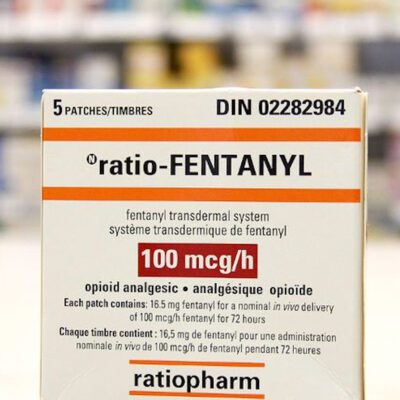
These are low-cost paper strips that can detect fentanyl in all kinds and forms of substances. Fentanyl should only be prescribed by doctors who are experienced in treating pain in cancer patients. Fentanyl may cause serious breathing problems or death if it is used by people who are not being treated with other narcotic medications or who are not tolerant to narcotic medications. Fentanyl is typically administered intravenously (IV), intramuscularly (IM), transdermally (TD) as skin patches, intranasally (IN) in the form of a volatile nasal spray, and intrathecally (IT). It is also available as a buccal soluble thin film, which can dissolve in the mouth, similar to the sublingual tablets.
Illegal Fentanyl Use And Abuse Affects Everyone
- Strategies of going slowly and using with another person can help to prevent overdose deaths.
- In 2022, the DEA seized more than 50 million street pills laced with fentanyl — more than twice as many in 2021.
- Done correctly, lacing illicit drugs with fentanyl often creates a return stream of customers because fentanyl is considered highly addictive.
- Any opioid pill not from a pharmacy is highly likely to be fake and contain fentanyl.
- Accidental opioid overdoses cause more deaths in the United States than traffic accidents and suicides, she noted in a university news release.
It is an effective medication for managing severe pain when properly prescribed and monitored by a clinician. To prevent accidental fentanyl overdoses, you can use fentanyl test strips to ensure other drugs don’t contain the opioid. You can get them free through some outreach programs, such as needle exchanges or overdose prevention programs. Fentanyl and similar compounds like carfentanil are powerful synthetic opioids 50 to 100 times more potent than morphine. But fentanyl first made its way into the illicit drug supply about 10 years ago, particularly in areas east of the Mississippi River.
Responding To An Overdose
You may also feel dizzy, drowsy, have vision changes, or have unpleasant side effects such as dry mouth, stomach pain, or anxiety. Some opioids come directly from the opium poppy plant, but manufacturers make fentanyl in a lab and reproduce the chemical structure. It’s hard to predict the amount of fentanyl that could kill someone. As little as 2 milligrams may be lethal depending on how big your body is, what your tolerance for opioids is, and your past usage of fentanyl.
Coroners’ offices and state crime laboratories do not test for fentanyl unless given a specific reason to do so. A healthcare professional may prescribe medications such as buprenorphine and methadone, which affect the same receptors in the brain as those affected by fentanyl. A doctor may also choose to prescribe naltrexone, which stops the effect fentanyl has on the body. The emergency and referral resources listed above are available to individuals located in the United States and are not operated by the National Institute on Drug Abuse (NIDA). NIDA is a biomedical research organization and does not provide personalized medical advice, treatment, counseling, or legal consultation.
Fentanyl may cause serious harm or death if used accidentally by a child or by an adult who has not been prescribed the medication. Even partially used fentanyl may contain enough medication to cause serious harm or death to children or other adults. Dispose of partially used lozenges according to the manufacturer’s directions immediately after you remove them from your mouth. If fentanyl is used by a child or an adult who has not been prescribed the medication, try to remove the medication from the person’s mouth and get emergency medical help. There are two types of fentanyl – pharmaceutical fentanyl and illegally made fentanyl. From April 2024 to March 2025, the CDC reported 43,000 synthetic opioid deaths, most of which are from fentanyl, down from nearly 70,000 in the previous similar period.
Medical Uses
In case of overdose, remove the fentanyl from the victim’s mouth and call local emergency services at 911. Overdose prevention is a CDC priority that impacts families and communities. Drug overdose is a leading cause of preventable death in the U.S. Some people claim they can tell they are taking fentanyl, rather than heroin, due to its pale color (which ranges from bright white to off-white) and sweet taste.
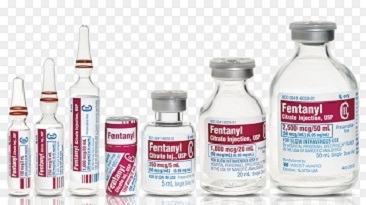
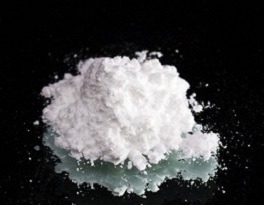
Fentanyl comes as a lozenge on a handle, a sublingual (underneath the tongue) tablet, and a buccal (between the gum and cheek) tablet to dissolve in the mouth. Fentanyl is used as needed to treat breakthrough pain but not more often than four times a day. Follow the directions on your prescription label carefully, and ask your doctor or pharmacist to explain any part you do not understand. When it is intentionally misused, fentanyl often shows up as a powder, spiked on blotter paper or is mixed with or substituted for heroin and other street drugs.
Alternatively, some people may take illegally manufactured fentanyl for its heroin-like effect. Sometimes, individuals mix it with other drugs because of its potency. A person exhibiting the symptoms of overdose should get immediate medical attention. With an overdose of fentanyl, the brain experiences hypoxia. Sometimes, a person with opioid dependence may take fentanyl as a substitute for heroin.
The modern epidemic of fentanyl adulteration is far broader in its geographic distribution, production and number of deaths. Overdose deaths roughly quadrupled, going from 8,050 in 1999 to 33,091 in 2015. From May 2020 to April 2021, more than 100,000 Americans died from a drug overdose, with over 64 percent of these deaths due to synthetic opioids like fentanyl and its analogs. Fentanyl and other synthetic opioids have now surpassed heroin and prescription painkillers as the deadliest drugs in the United States.