This deep web search engine can be accessed via the surface web and Tor. It filters out illegal and unsafe content, so users can expect a more secure experience. Ahmia can also be used to view insights, news, and statistics about the Tor network. A combination of specific tools allows users to access the darknet and navigate hidden pages that traditional search engines like Google or Bing can’t reach while staying anonymous. DuckDuckGo has a dark web version that is accessible through the Tor browser.
You are an academic or just a curious privacy advocate-or even just the curious wanting to explore further than the surface? This article will guide you through absolutely everything-on a friendly humanoid mode. Yes, OnionLand is a dark web search engine that allows you to search through forums and other hidden .onion content. Torgle provides security and anonymity for those doing research and for those who want to access various products/services. Unlike other search engines, it offers text results, images, and torrent links.
It runs an onion site to help like-minded people mobilize more securely and anonymously. Proton Mail is an anonymous email service that operates an onion site. Facebook’s onion mirror allows people to access it in countries that block the platform, allowing people to connect across digital borders.
Exploring Dark Web Forums
The dark web, by contrast, includes sites that sit on the onion network and require special software like Tor to access. Regular search engines like Google and Bing don’t index dark web websites, so you need a dark web search engine to help search these hidden areas of the internet. So-called “onion sites” are only accessible via special network configurations or browsers like Tor that can connect you to .onion domains via onion routing.
Friendly Word On Staying Safe
TorDex (also known as Tor Index) is one of the largest uncensored onion links catalog for the dark web. Our mission is to provide users with the freedom to explore the Tor network without interference. By indexing pages from across the dark web, we help you find what you’re looking for, no matter how deep it may be. Exploring the dark web can provide valuable insights and essential privacy, but it requires careful, informed navigation. By selecting trusted search engines, crafting precise search queries, and diligently verifying sites, you can greatly enhance your safety and effectiveness.
How To Set Up And Use The Tor Browser To Search onion Sites
And many people use a VPN with Tor, because while the Tor network offers anonymity and privacy, extra security is recommended when accessing the dark web. LibreY is a secure dark web search engine that prioritizes user privacy by operating without JavaScript. This is a significant feature, as JavaScript is often used to track web activity. This unique approach aims to provide users with a more comprehensive search experience across different types of online content, including content found on the dark web. Notably, LibreY supports dark web image search, text results, and torrent links.
Avira Internet Security
- The difference is that they are specialized web crawlers designed to operate within the Tor network and index .onion sites.
- Discovering hidden corners of the net that Google or Bing cannot reach has always been a thought in your mind.
- Think of it as the dark web’s yellow pages, curated by anonymous volunteers who add, update, or remove links.
- This open-source platform benefits from regular community updates, making it a reliable tool for safe browsing.
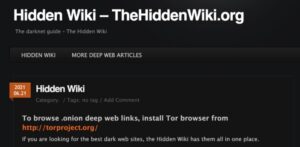
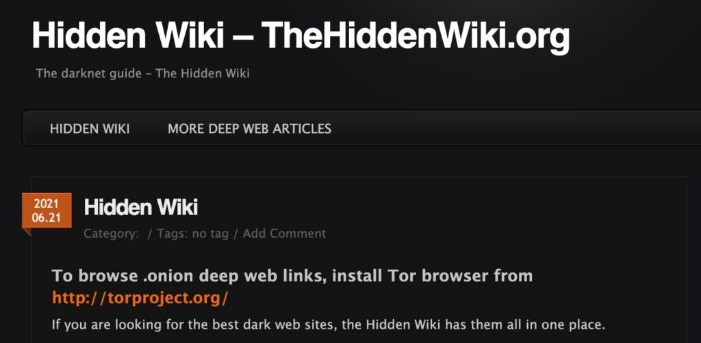
Because dark web sites can only be reached with a dark web browser like Tor browser, the best dark web sites, best onion sites, and best Tor websites are all one and the same. And because they aren’t searchable via Google or Bing, onion site lists are important roadmaps to help users find what they’re looking for on the dark web. In 2025, as privacy battles intensify, these tools are more vital than ever. Fire up Tor, choose your engine, verify your .onion links, and dive in—just keep your digital armor on.
Are Dark Web Search Engines Useful For Cybersecurity Research, And How?
It doesn’t track browsing habits or personal data and won’t expose a user’s identity or location. This makes it safer for those who can’t freely access certain content. The New York Times operates one of the biggest news sites on the Tor network, letting users access its regular news coverage with increased privacy and security. The onion site is especially beneficial for people in regions with heavy censorship or restricted access to media.
Anything you need to do that has to be off the books to some extent, for noble or ignoble reasons, can be done on the dark web. It pulls data from different search engines, so it opens you to a world of endless possibilities. The Tor Browser routes your internet traffic through a network of servers, making it difficult for anyone to track your online activity. The Tor Browser is a free and open-source web browser that is based on the Mozilla Firefox web browser. The Tor Browser is designed to protect your privacy and anonymity when using the internet.
Top 10 Dark Web Search Engines
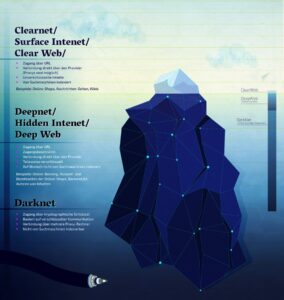
Below this virtual water line comes the online content that is non-indexed and can’t be accessed via standard search engines. Users usually need a direct URL and password to gain access to this “deep web”, where you’ll find security-protected pages like login and payment portals. Paid services like online magazines and video-on-demand are also found here. Swim even deeper and you’ll reach a subset of the deep web that’s called the “dark web”. This midnight zone is overlaid with darknets to keep it hidden so it’s only accessible via specific software or hardware.
Best Dark Web Search Engines In 2025
- Since the dark web is a hidden and uncontrolled part of the web, there is a high amount of malware infections present there.
- This focus on privacy makes it the Tor Browser’s default search engine and one of the best onion search engines.
- These services can only be accessed through the Tor network, which provides anonymity and encryption.
- Although the underground internet world is rife with everything bad, it also hosts positive elements.
- Acting as a proxy, Toorgle searches onion links and presents text-based content and torrent files directly through its interface.
Read on to learn how dark web search engines work, how they differ from what we usually use, and how to safely navigate those sites. Onion sites aren’t really dangerous, but they could be when accessed through unfamiliar or suspicious links. If you get a reliable vendor, you should procure the services to stay safe when accessing the dark web. You can also run a dark web scan to see if your information has been leaked on the dark web. This dark web monitoring will help you track illicit activities and minimize the risks of cyber-attacks. The dark web also helps individuals communicate about or sell illegal items such as weapons, drugs, malware, etc.
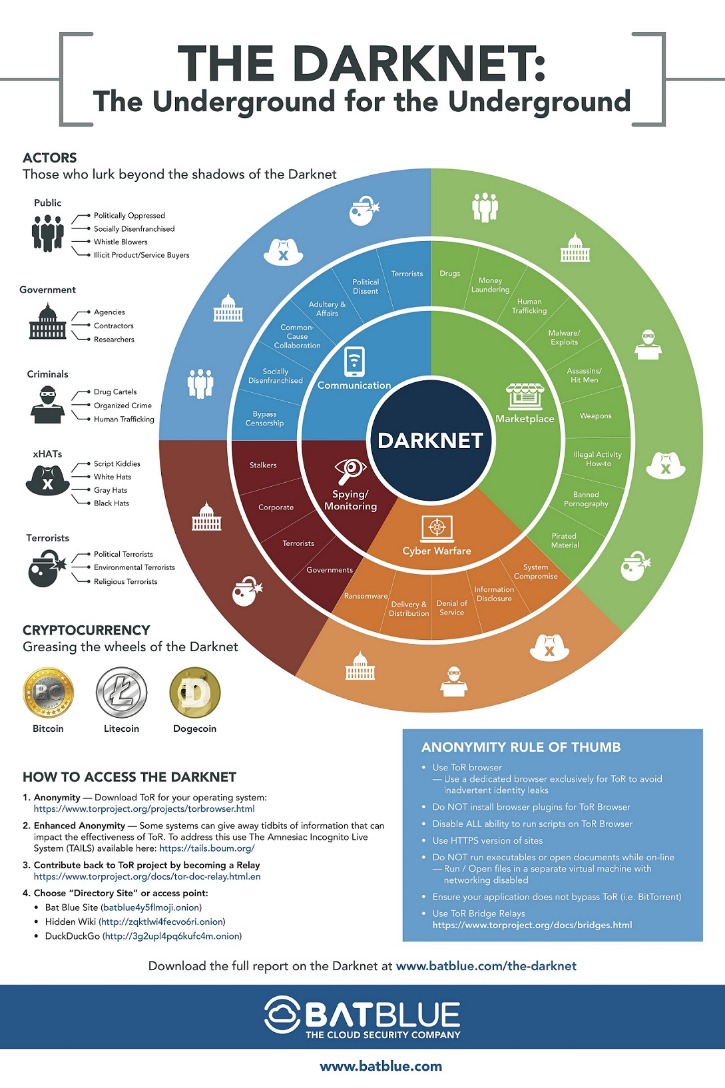
Tor is like the public-facing door to the dark web, and there are even mobile apps for Android and iOS. The dark web, for the uninitiated among you, is a virtual neighborhood beyond the borders of the normal, everyday internet (which includes the website you’re looking at right now). It’s somewhere Google and Bing don’t index, and you need special tools to get to it.

Users must avoid sharing their IP address or personal data on any dark websites. The basic architecture of a standard web crawler, such as those used by Google, relies on indexing from seed URLs, analyzing metadata, and following link structures. This process doesn’t work on the dark and deep web, where most sites are not interlinked. Plus, many .onion websites are created to be temporary or invite-only, so they may not even be active long enough to be indexed.
Keep an encrypted offline list of updates to maintain access without interruptions. Haystak’s free tier offers basic keyword searches on a limited index with ads and weekly updates, suitable for casual users. The premium version (~$20-50/month) unlocks full access to billions of pages, advanced filters (e.g., regex, date sorting), historical archives, and ad-free UX for in-depth research. They often have smaller indexes (e.g., Ahmia’s ~10,000 sites) and may include ethical filtering to block illegal content, but they lack features like personalized ads or real-time updates.